Kitchen Interior Design Ideas and How To Achieve It

The kitchen has evolved from a purely functional space into the heart of modern homes, where families gather, meals are prepared, and memories are created. A well-designed kitchen seamlessly blends aesthetics with functionality, incorporating smart storage solutions, efficient layouts, and contemporary design elements that reflect your personal style. Whether you're renovating an existing kitchen or designing a new one from scratch, understanding the latest trends and practical design principles can help you create a space that's both beautiful and highly functional. This comprehensive guide will walk you through the essential elements of kitchen interior design, from selecting the right layout and cabinetry to incorporating trending styles and smart storage solutions that maximize every inch of your cooking space.
Kitchen Interior Design Ideas and How To Achieve It
Understanding Kitchen Layout Types
The foundation of any successful kitchen design lies in choosing the right layout that suits your space, cooking habits, and lifestyle needs.
L-Shaped Kitchen Layout
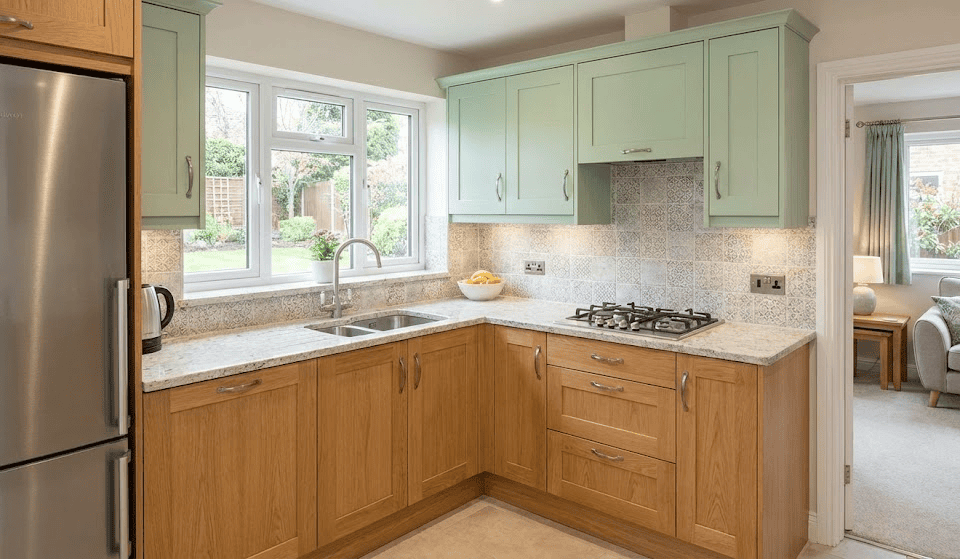
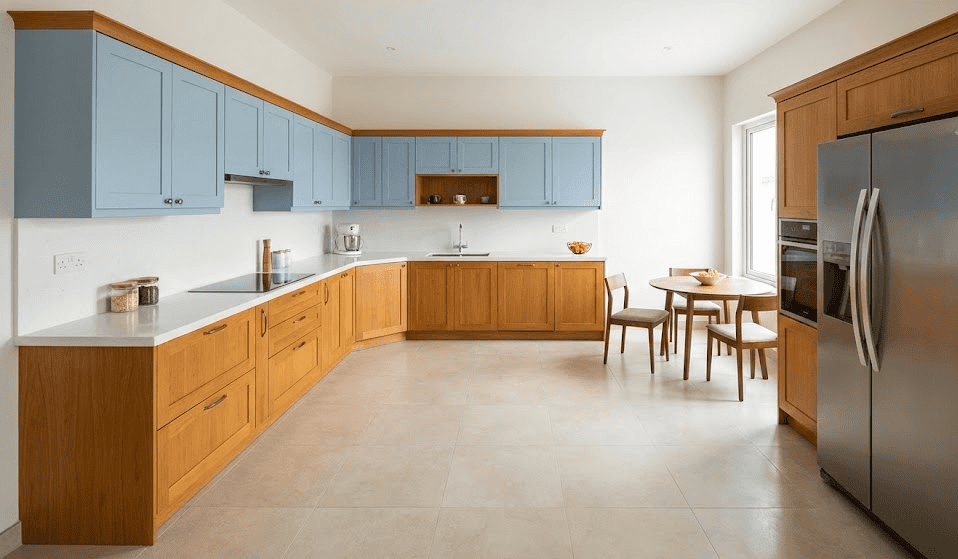
The L-shaped modular kitchen design utilizes corner space effectively, offering a large counter area and promoting easy movement during cooking. This layout works exceptionally well for both small and medium kitchens, providing flexibility to add a dining area or storage extensions. The design creates a natural work triangle between the stove, sink, and refrigerator, making cooking more efficient. Warm wood tones combined with soft pastels are currently trending in L-shaped designs, giving the kitchen a spacious and inviting feel.
U-Shaped Kitchen Layout
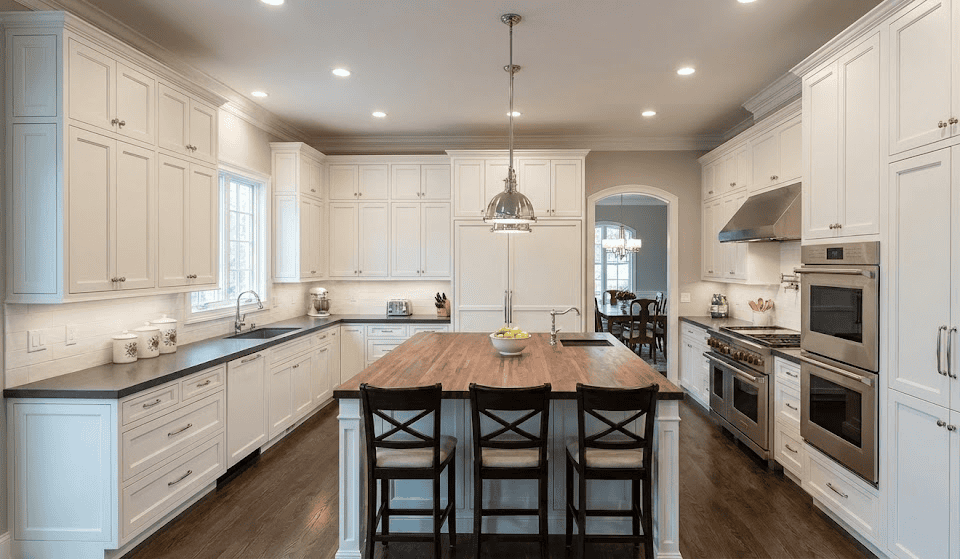
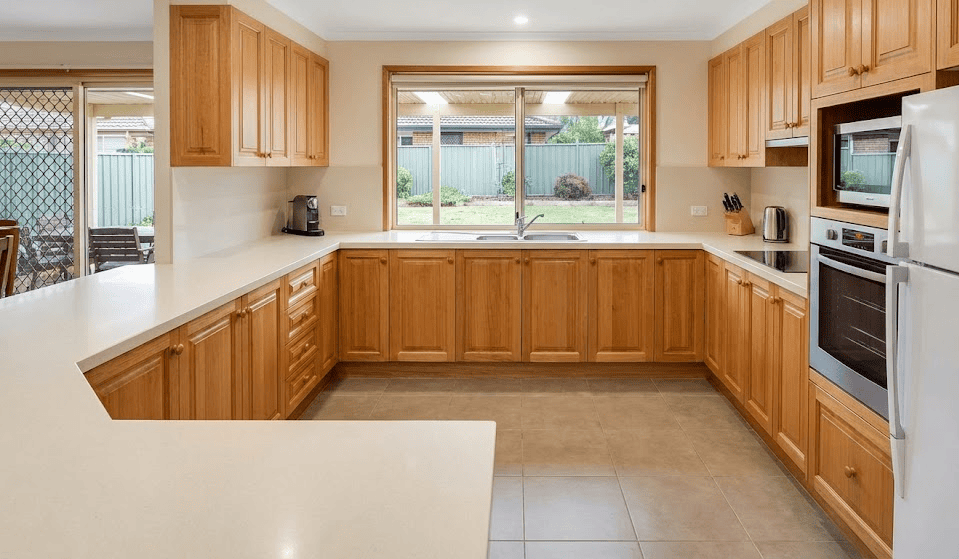
U-shaped kitchens provide maximum counter space and storage by utilizing three walls, creating an efficient work zone with everything within easy reach. This layout is ideal for larger kitchens and serious home cooks who need ample workspace. The enclosed design keeps the cooking area separate from other living spaces, making it perfect for families with small children.
Galley Kitchen Layout
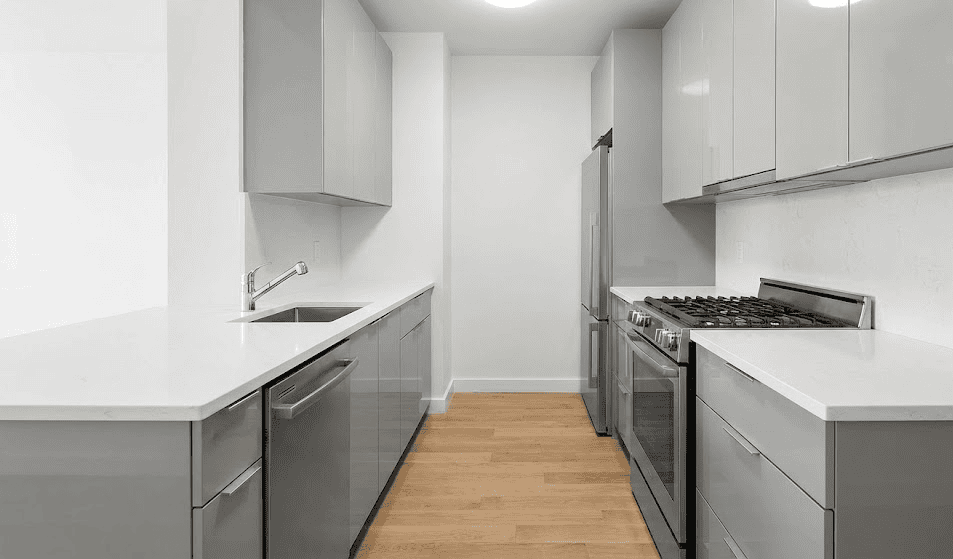
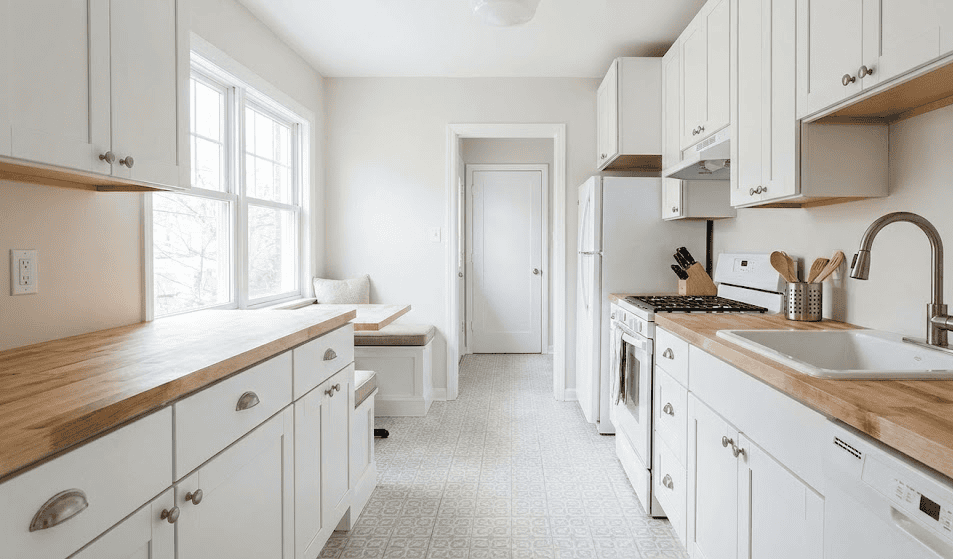
A galley layout features two parallel counters that bring maximum workspace and storage to your kitchen design. This configuration fits narrow or small-sized kitchen areas amazingly well, helping keep cooking sessions much easier in smaller-sized homes. The streamlined design minimizes walking distance between work zones, making it highly efficient for one or two cooks.
Island Kitchen Layout
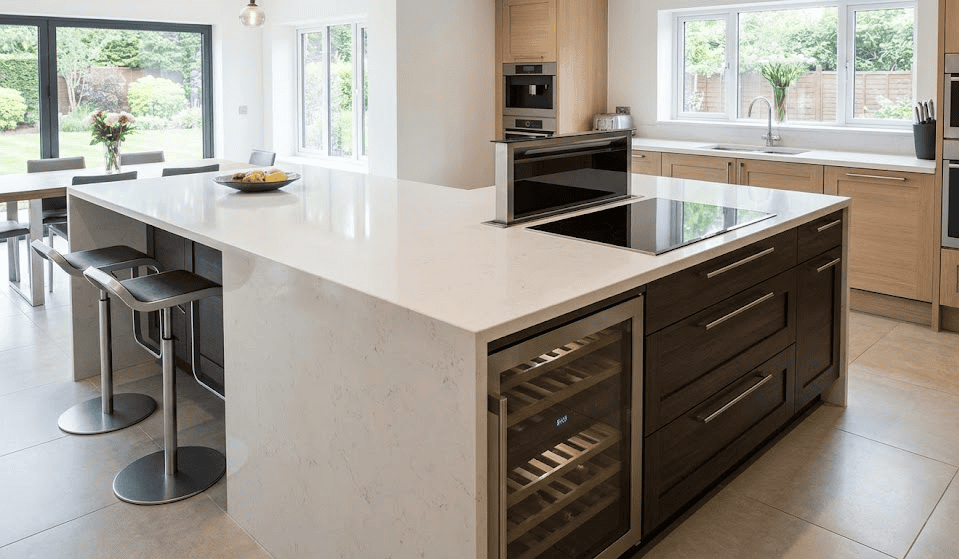
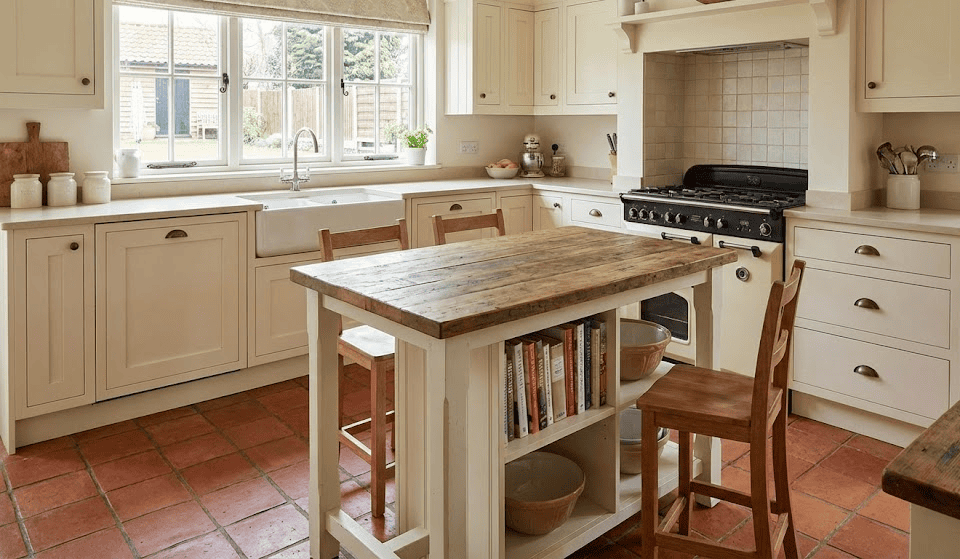
An island kitchen design offers a freestanding counter in the center, providing additional workspace and storage. Kitchen islands in 2025 go beyond additional counter space, with multi-functional islands featuring built-in storage, seating, and even appliances becoming focal points in modern kitchens. These are especially useful in open-plan layouts, where the island can double as a dining or work area. The types of kitchen islands include rolling islands, small islands (less than four feet), table-style islands for informal dining, cabinet islands for extra storage, and bar-type two-level islands.
Trending Kitchen Design Elements For 2025
Kitchen design in 2025 embraces a blend of minimalist aesthetics and smart functionality, featuring innovative elements that enhance both style and efficiency.
Sleek Handleless Cabinets
Handleless cabinets with push-to-open mechanisms create a clean, modern look and make kitchens appear spacious. Matte finishes are popular for their elegance and easy maintenance.
Smart Storage Solutions
Innovative storage like pull-out pantries, corner Lazy Susans, and multi-tiered drawers maximize space in smaller homes. Features like built-in charging stations and sensor lights enhance convenience.
Natural And Eco-Friendly Materials
Materials such as bamboo, reclaimed wood, and recycled glass add warmth and sustainability. Stone countertops and natural wood finishes remain favored for their beauty and eco-friendliness.
Smart Kitchen Technology
Smart appliances integrated into cabinetry, voice-controlled lighting, and app-enabled features boost efficiency and ease in the kitchen.
Open Shelving
Open shelves provide easy access and an airy feel, balancing well with closed cabinets for functional and decorative appeal.
Popular Kitchen Design Styles
Popular kitchen design styles in 2025 range from sleek minimalism to vibrant, color-rich spaces, offering options for every taste and lifestyle.
Modern Minimalist
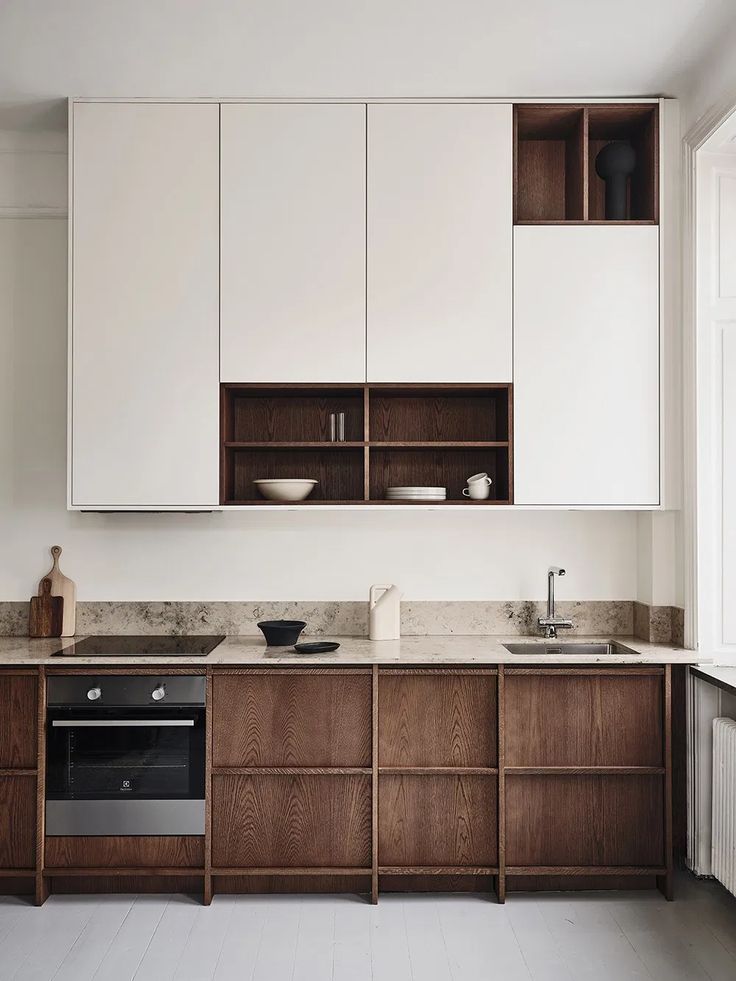
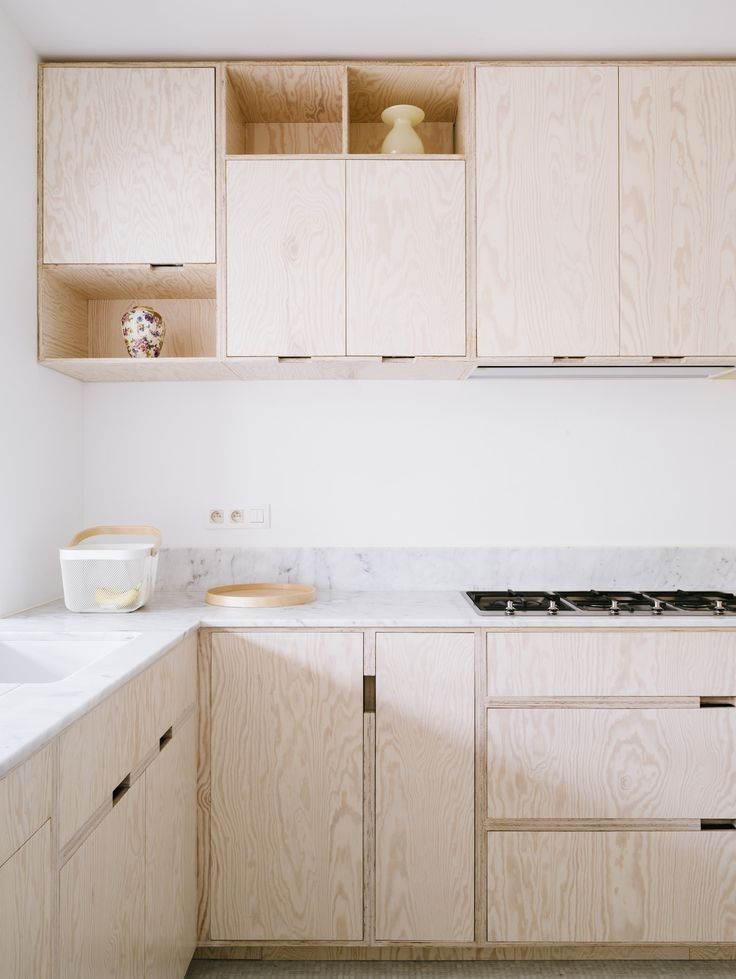
Focuses on clean lines, handleless cabinets, neutral tones, and smart storage for a clutter-free and functional kitchen.
Contemporary Bold Colors
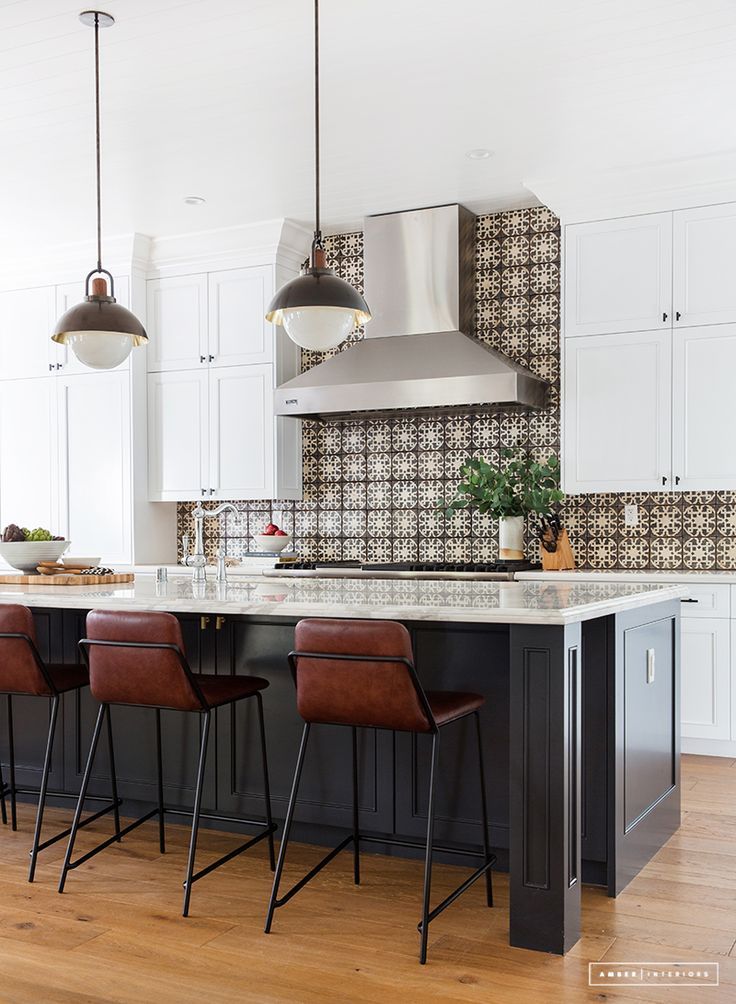
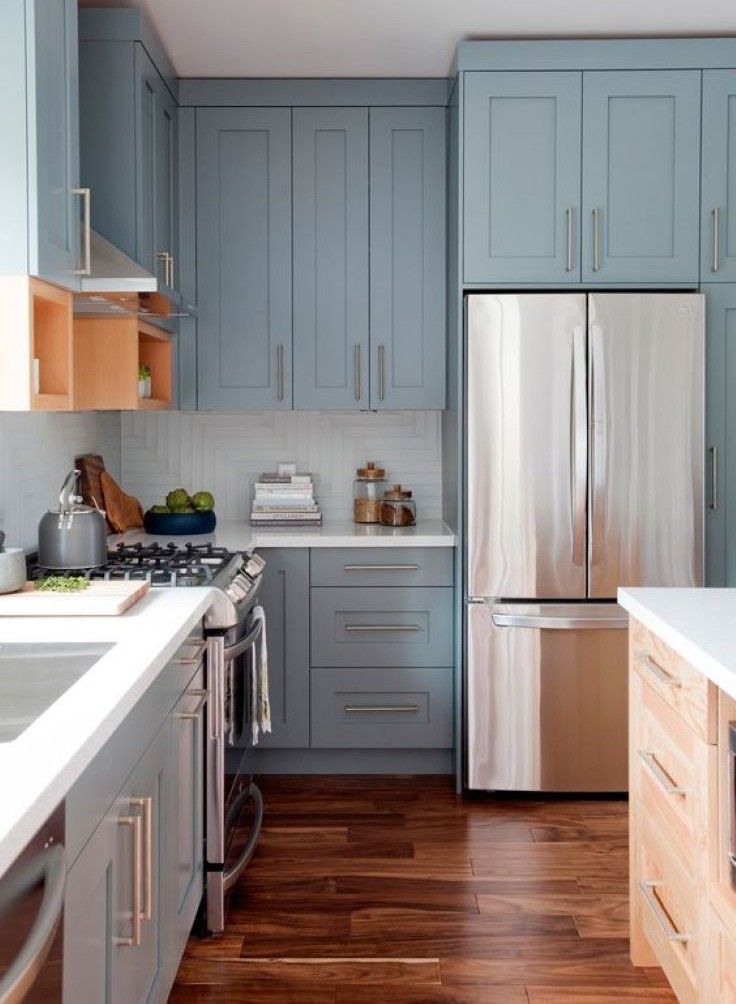
Kitchens feature bright, earthy, and jewel tones with two-tone designs that add warmth and sophistication.
Industrial Style
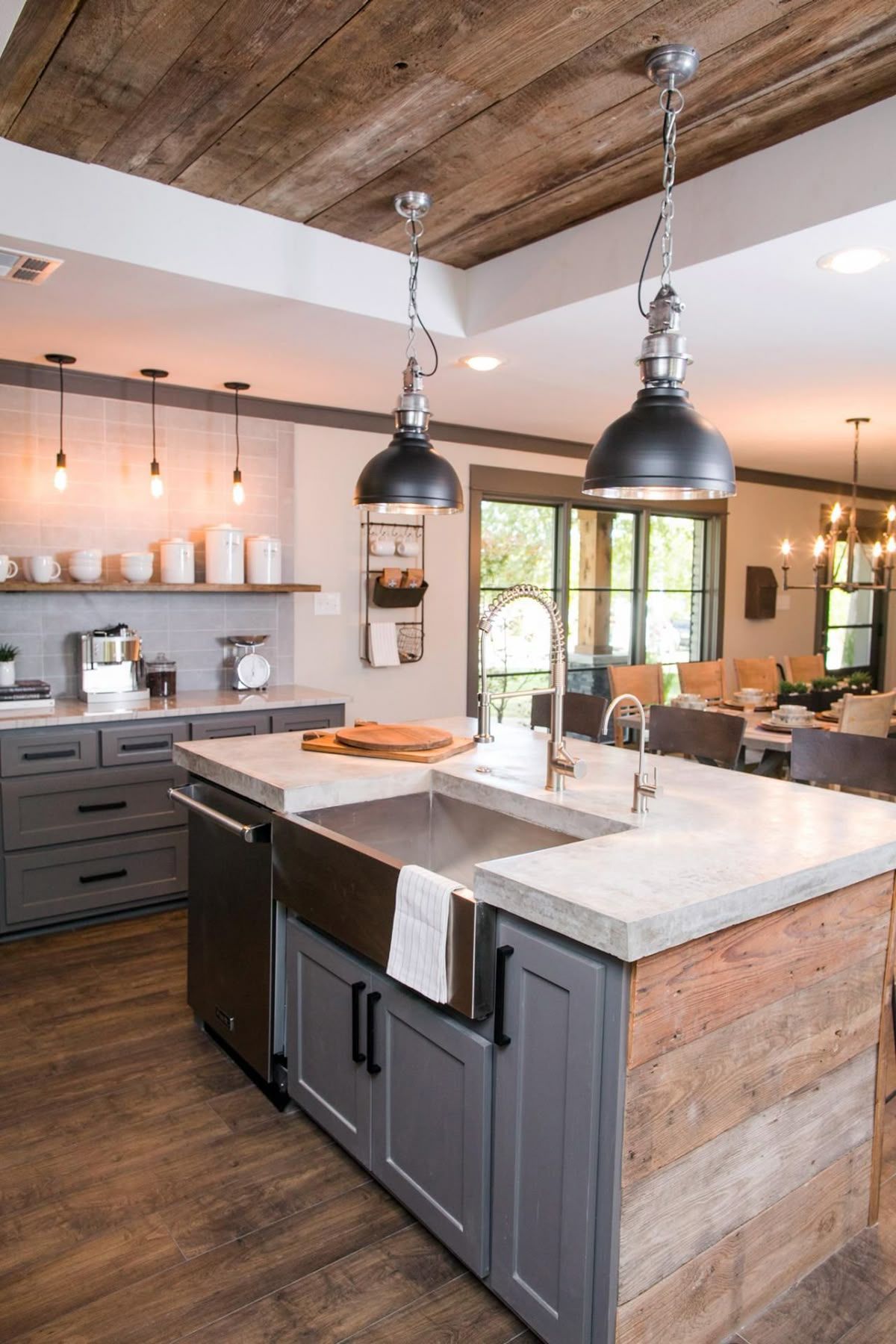
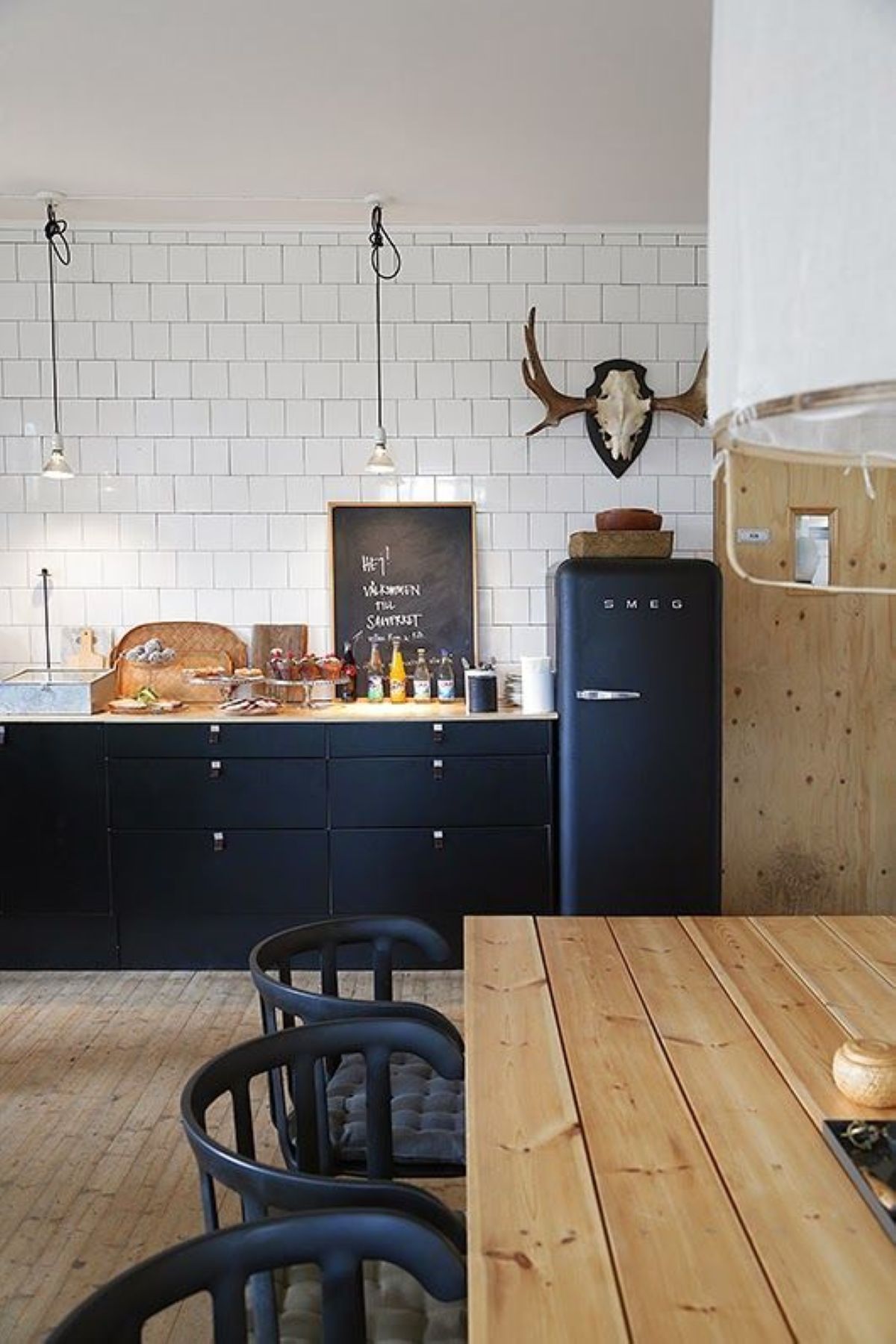
Raw textures like exposed brick and metal, open shelving, and metal-accented lighting create a stylish, urban look.
Traditional Warm
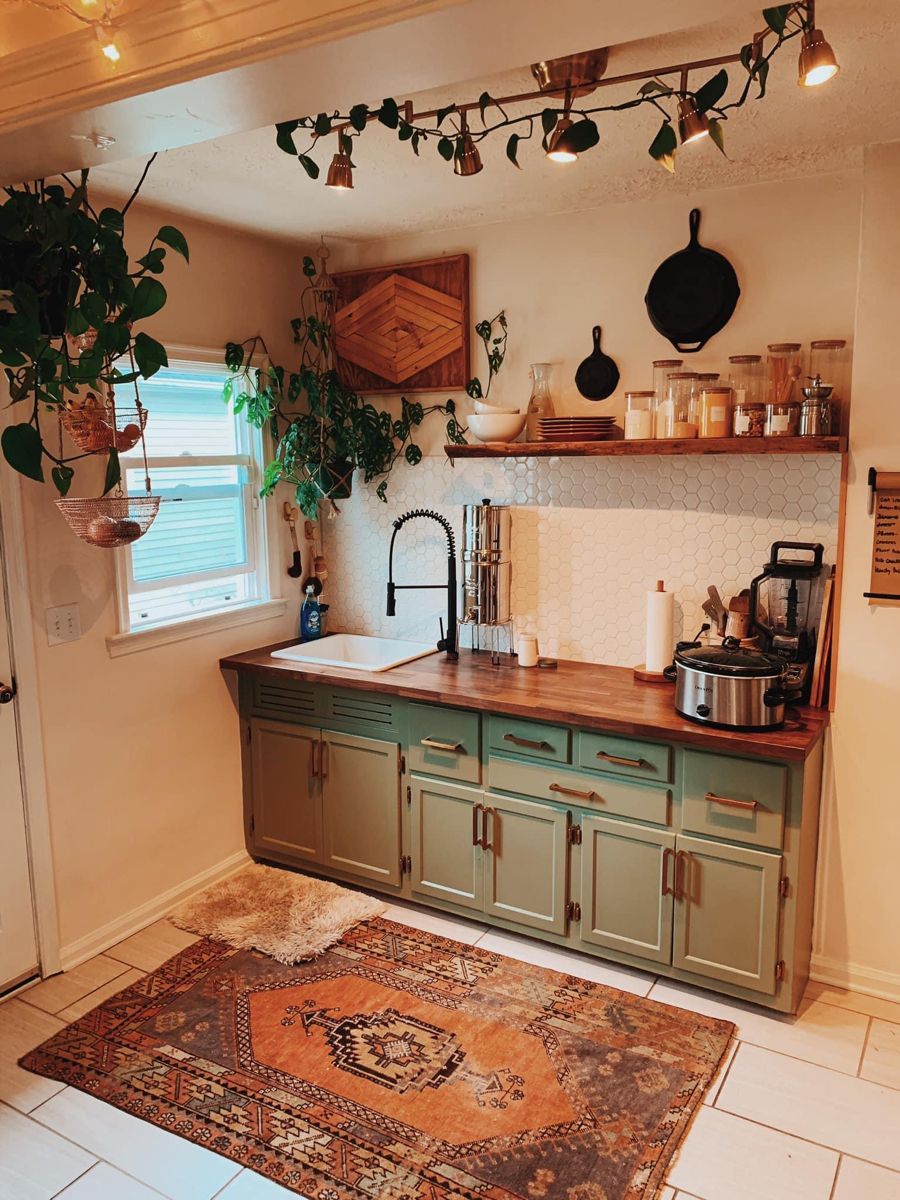
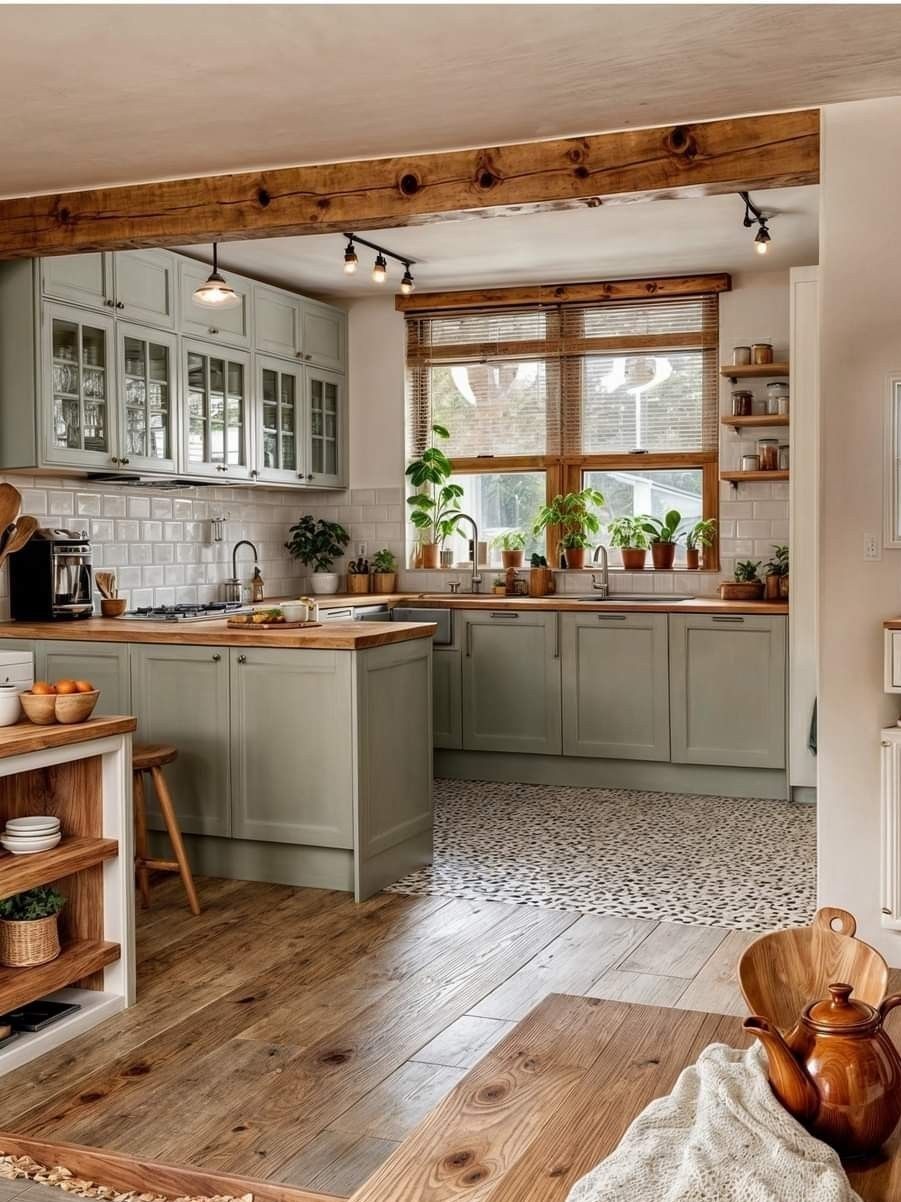
Classic wood cabinetry, warm colors, decorative moldings, and timeless hardware emphasize craftsmanship and comfort.
How To Achieve Your Dream Kitchen Design
Achieving your dream kitchen design starts with thoughtful planning and choosing elements that blend style and practicality seamlessly. Follow these steps to achieve your dream kitchen design:
Step 1: Assess Your Space And Needs
Measure the kitchen, note how many people use it, your cooking style, and storage or dining requirements. Check natural light, plumbing, and electrical points so the layout is practical.
Step 2: Choose The Right Layout
Pick a layout that fits your space and workflow: L-shaped or galley for small kitchens, U-shaped or with an island for larger ones. Maintain a comfortable work triangle between sink, hob, and fridge.
Step 3: Select Cabinetry And Storage
Opt for sturdy cabinets that match your style, from sleek handleless units to classic designs. Add smart storage like pull-out pantries, corner units, deep drawers, and vertical dividers.
Step 4: Plan Countertops And Backsplashes
Choose durable counters (such as stone or engineered materials) that suit your budget and maintenance level. Use easy-to-clean backsplash materials that also add colour or texture.
Step 5: Optimize Lighting
Layer general, task, and accent lighting to avoid dark corners and shadows. Combine natural light with under-cabinet strips and pendants over islands or dining counters.
Step 6: Choose Appliances And Technology
Select energy-efficient appliances sized to your kitchen and cooking habits. Add smart features like touch or sensor taps and connected ovens for extra convenience.
Step 7: Add Finishing Touches
Tie everything together with coordinated hardware, faucets, and decor. Use plants, art, open shelves, and durable flooring to give the kitchen personality and long-term comfort.
Maintaining Your Kitchen Interior
Daily Care Routines
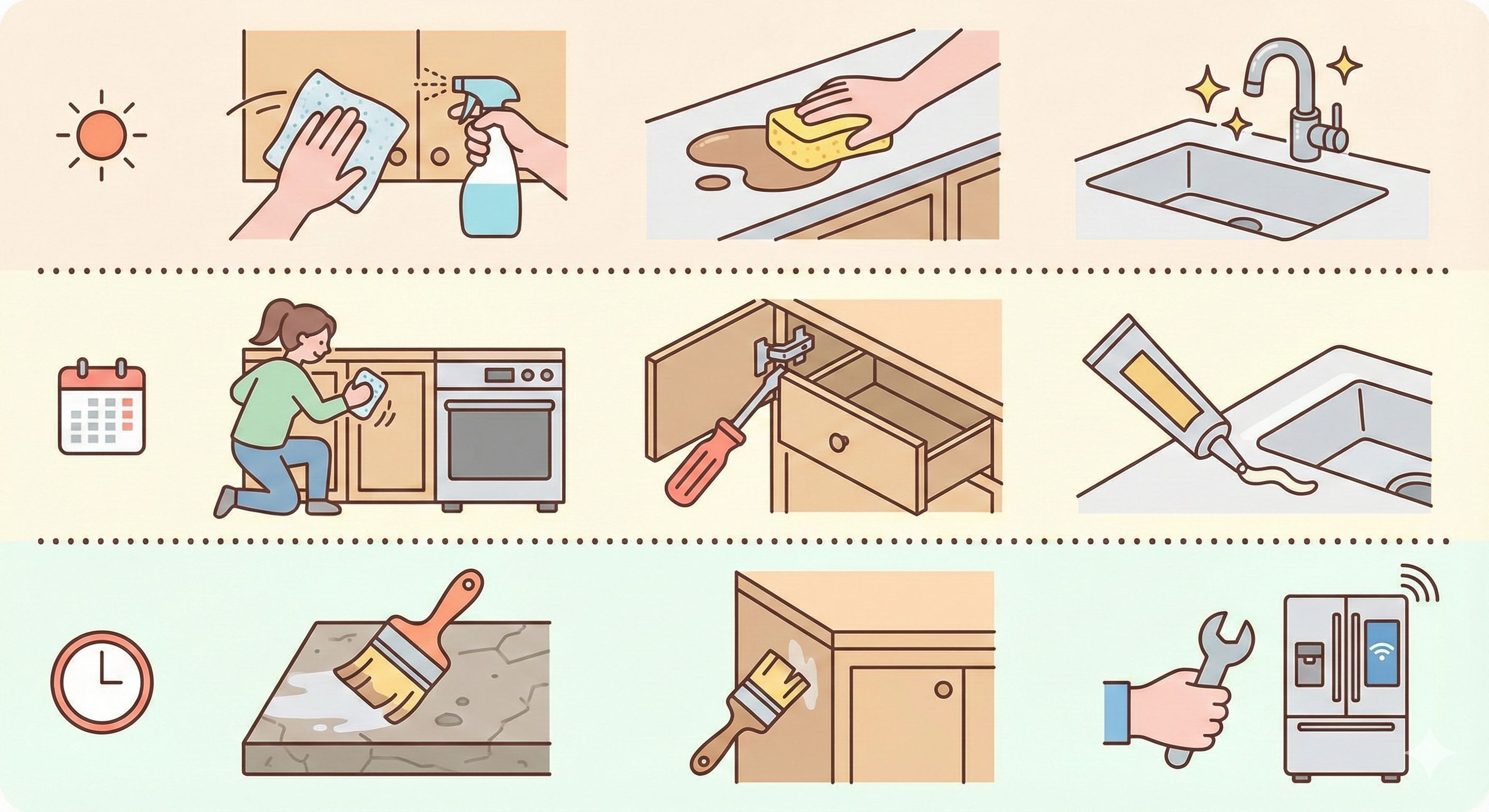
Wipe countertops and cabinet surfaces daily with appropriate cleaners to prevent buildup and maintain their finish. Clean spills immediately, especially on porous materials like natural stone, to prevent staining. Keep sinks and faucets clean and dry to prevent water spots and mineral deposits.
Periodic Maintenance
Deep clean cabinets, drawers, and appliances monthly to maintain hygiene and functionality. Check and tighten hardware, hinges, and drawer slides regularly to ensure smooth operation. Inspect grout lines, caulking, and seals around sinks and backsplashes, repairing any damage promptly to prevent water damage.
Long-Term Care
Reseal natural stone countertops annually to maintain their protective barrier. Inspect cabinet finishes for wear and touch up as needed to prevent further damage. Service smart appliances according to manufacturer recommendations to ensure optimal performance and longevity.
Conclusion
Creating your dream kitchen involves careful planning, understanding design principles, and selecting elements that balance aesthetics with functionality. From choosing the right layout and incorporating smart storage solutions to embracing current trends like handleless cabinets, multi-functional islands, and sustainable materials, every decision contributes to a space that enhances your daily living. Whether you prefer a modern minimalist aesthetic or a warm traditional style, the key is to design a kitchen that reflects your personality while meeting your practical needs. By following the steps outlined in this guide and staying informed about latest design trends, you can transform your kitchen into a beautiful, efficient space that serves as the true heart of your home for years to come
Frequently Asked Questions
Meet the Designer
Meet the Designer
Designs for Every Budget
Get your dream home today. Let our experts help you